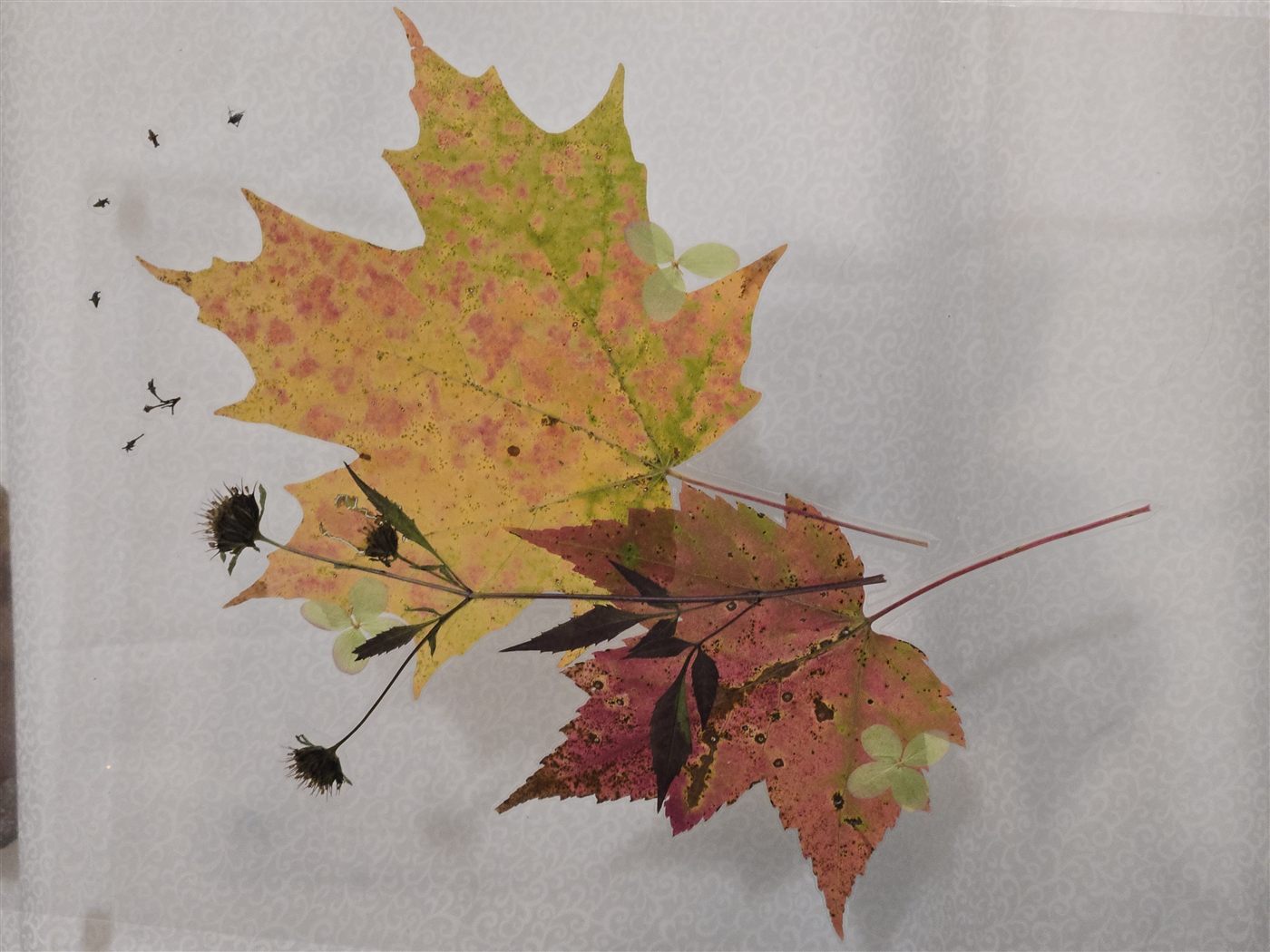
 01
01Sugar Maple
Broad palmate leaves with pointed lobes that often turn yellow, orange, or deep red in autumn.
Leaf and botanical guide
Use these notes to recognize common shapes and colors in FLORIS artwork. Exact identification can vary by specimen, season, and local habitat.
28 botanical references
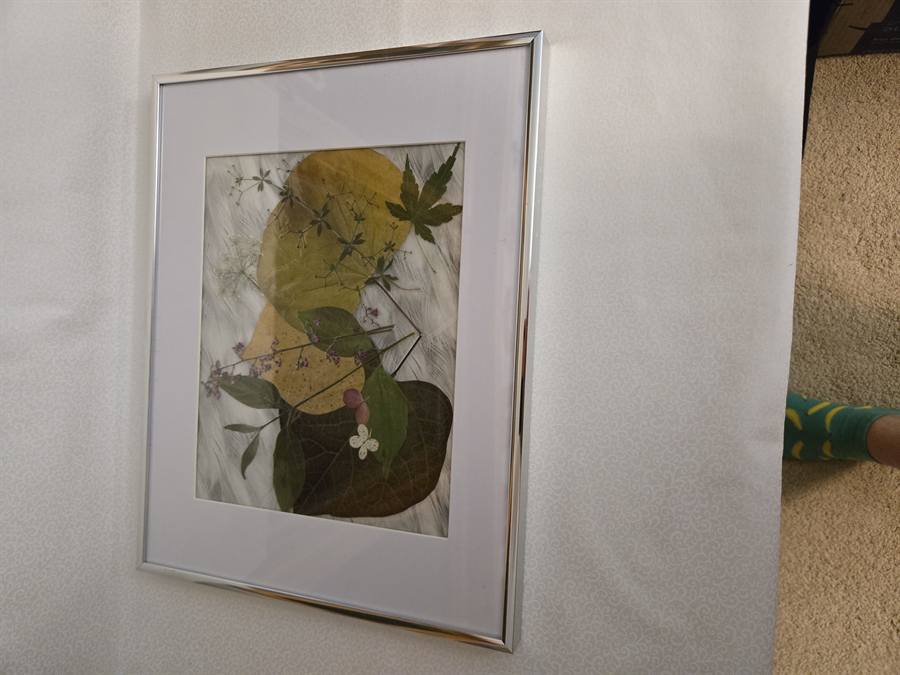
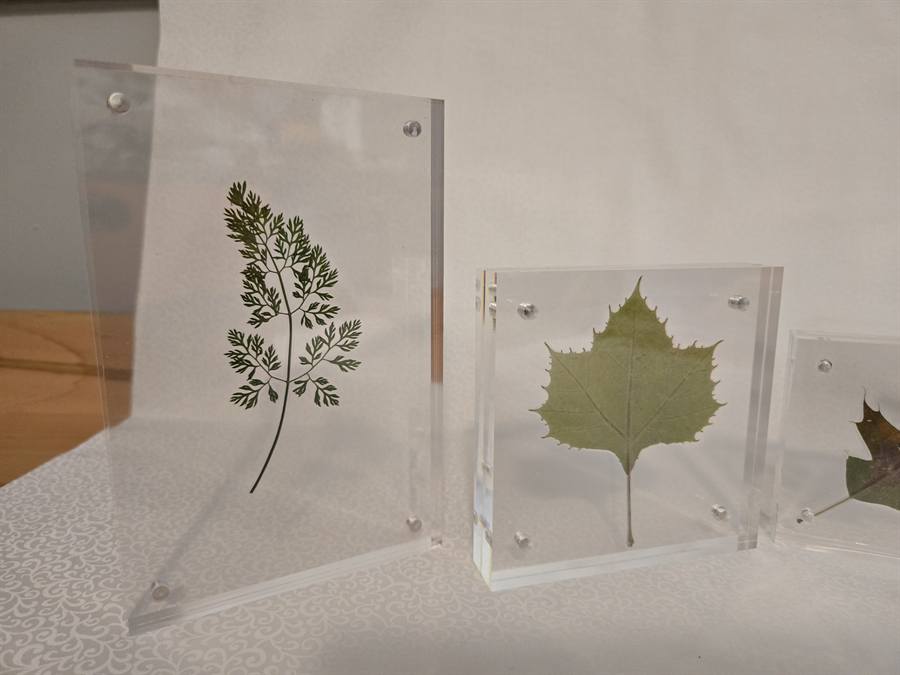
Maples, ferns, flower heads, grasses, and small woodland finds each bring their own line, texture, and seasonal color. This guide gives collectors a closer look at the natural materials inside the work.
01Broad palmate leaves with pointed lobes that often turn yellow, orange, or deep red in autumn.
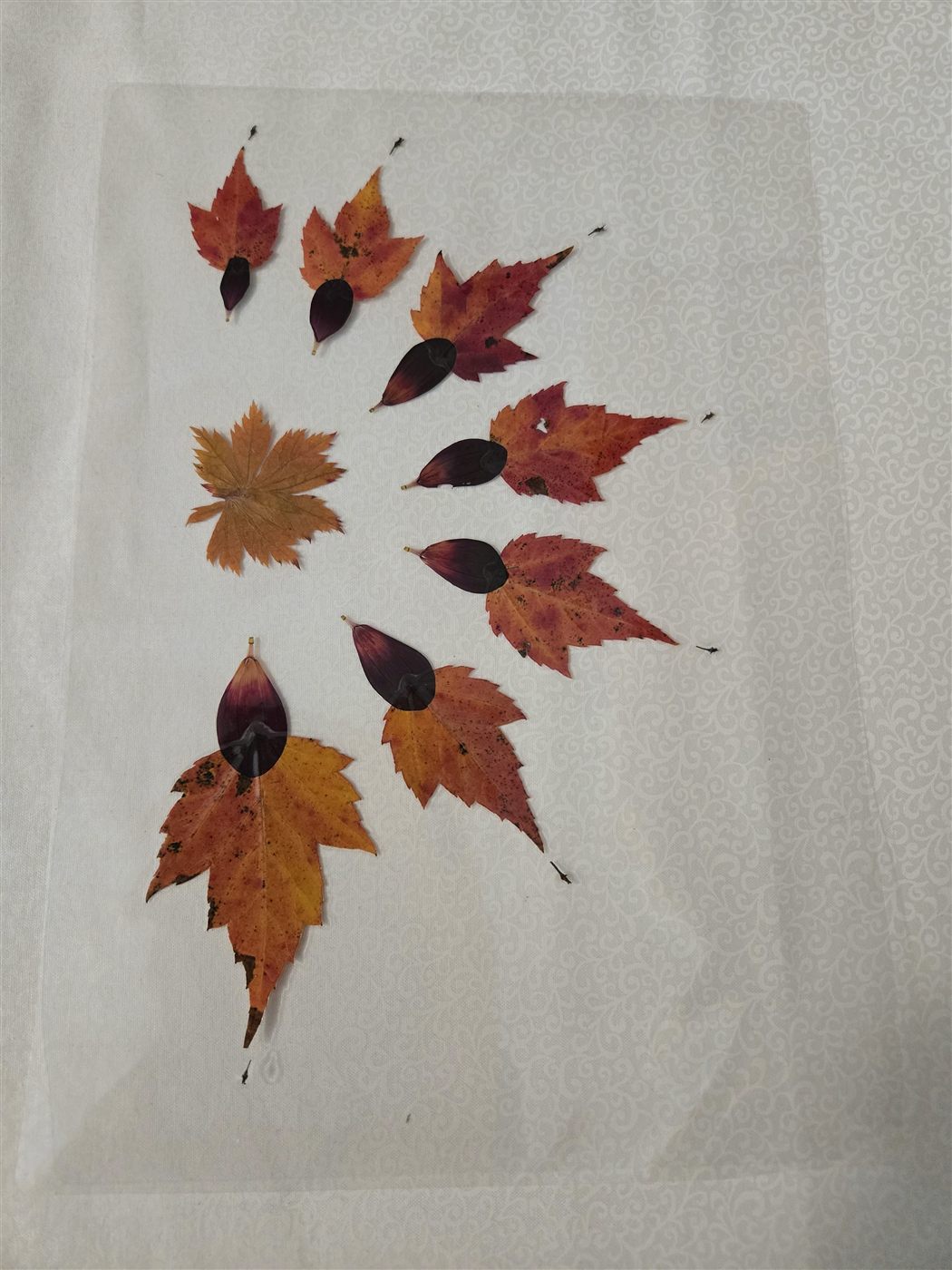 02
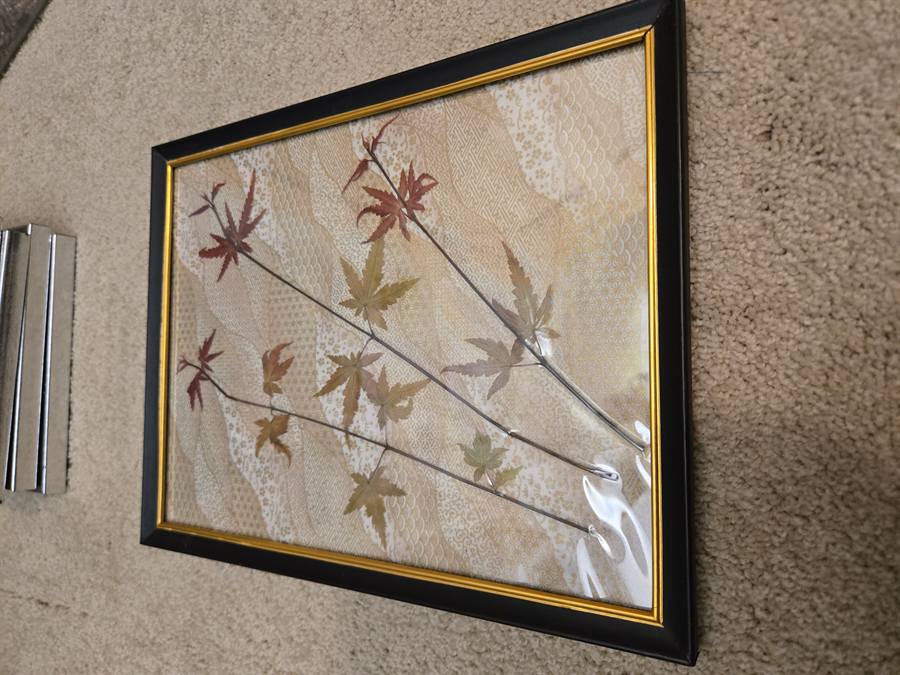
02A recognizable maple shape with vivid red seasonal color, especially effective in high-contrast compositions.
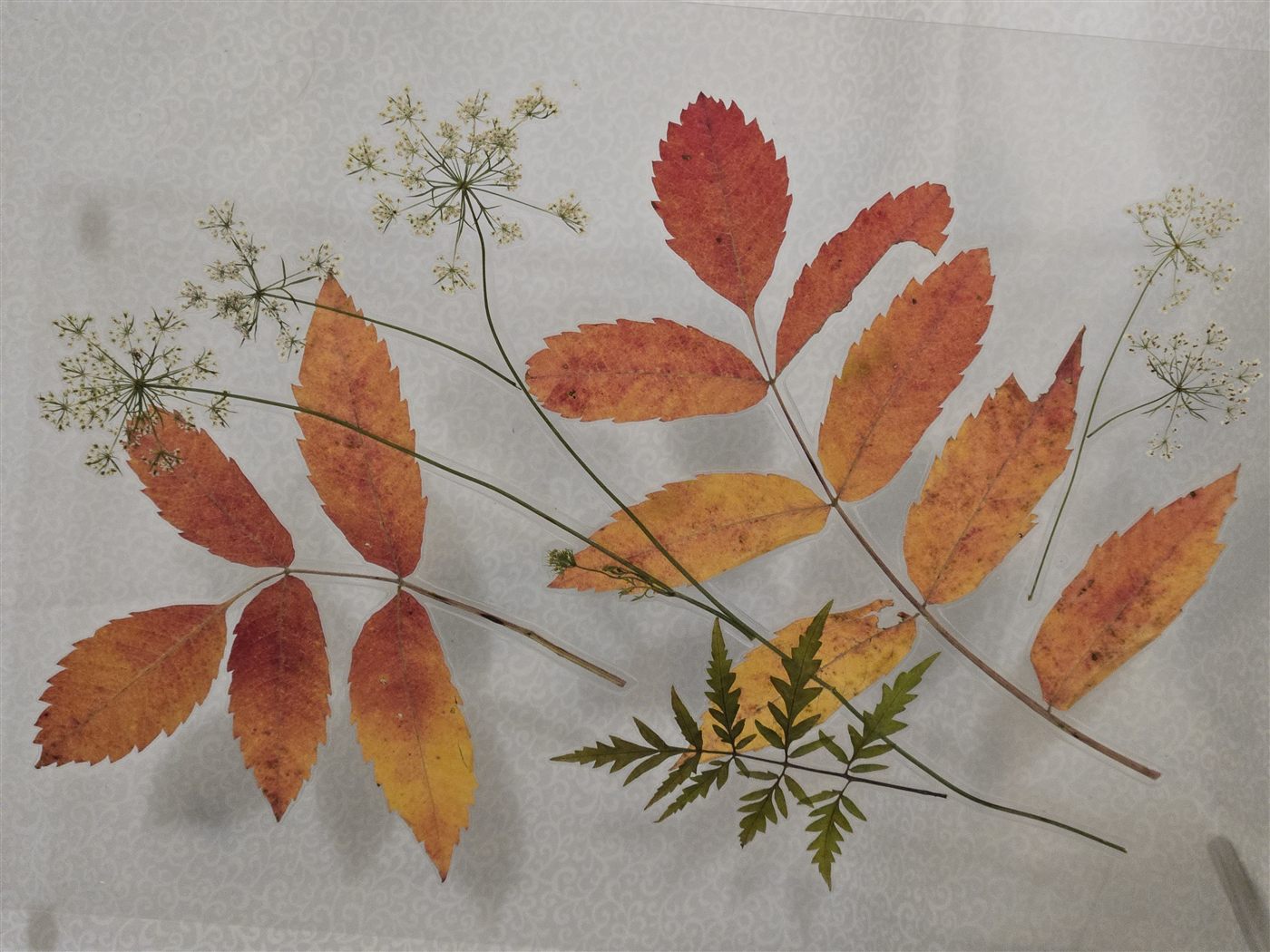 03
03Compound leaves made of multiple narrow leaflets along one stem, adding rhythm and movement.
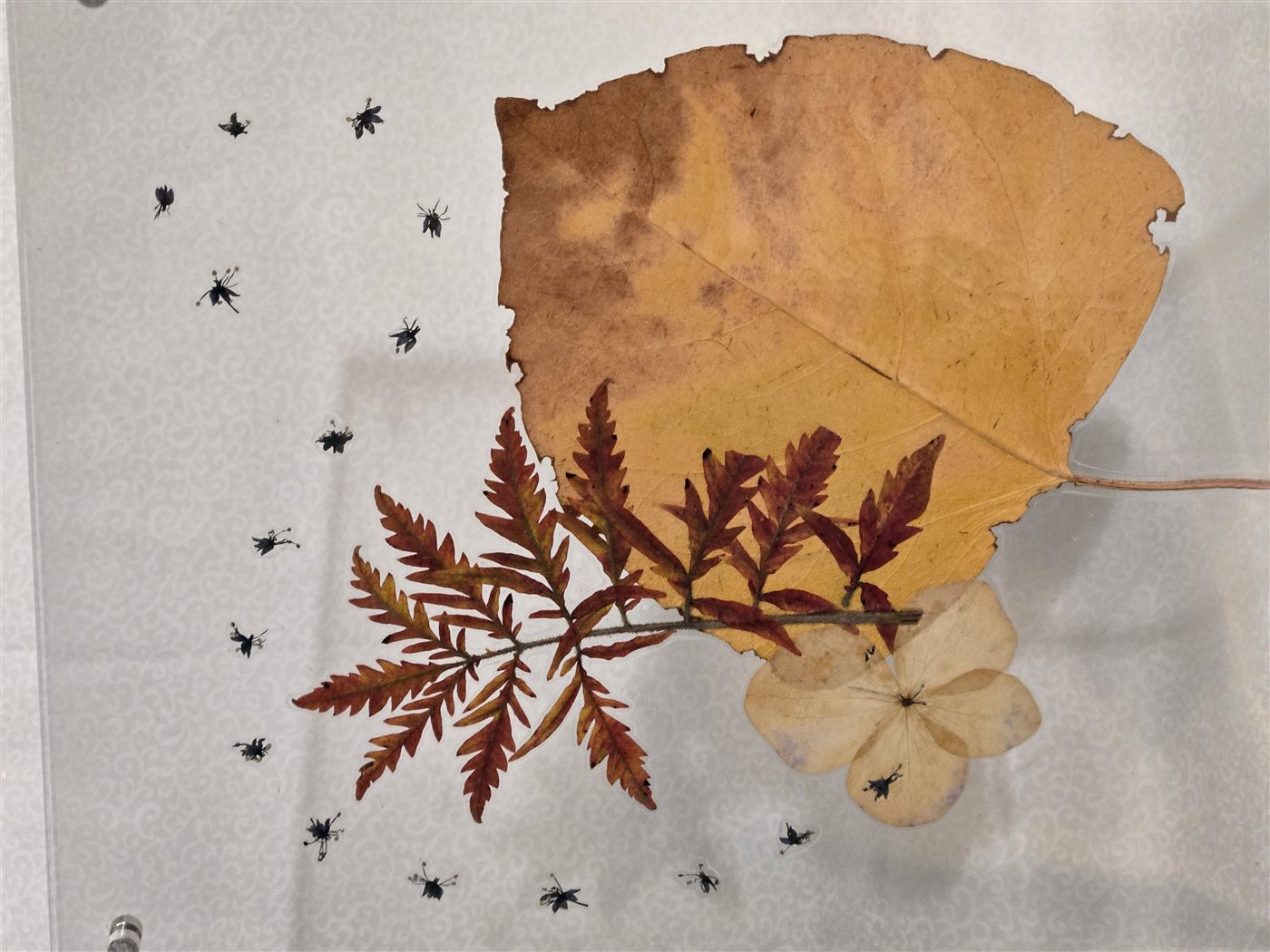 04
04Finely divided fronds bring lace-like detail, natural movement, and a woodland feeling.
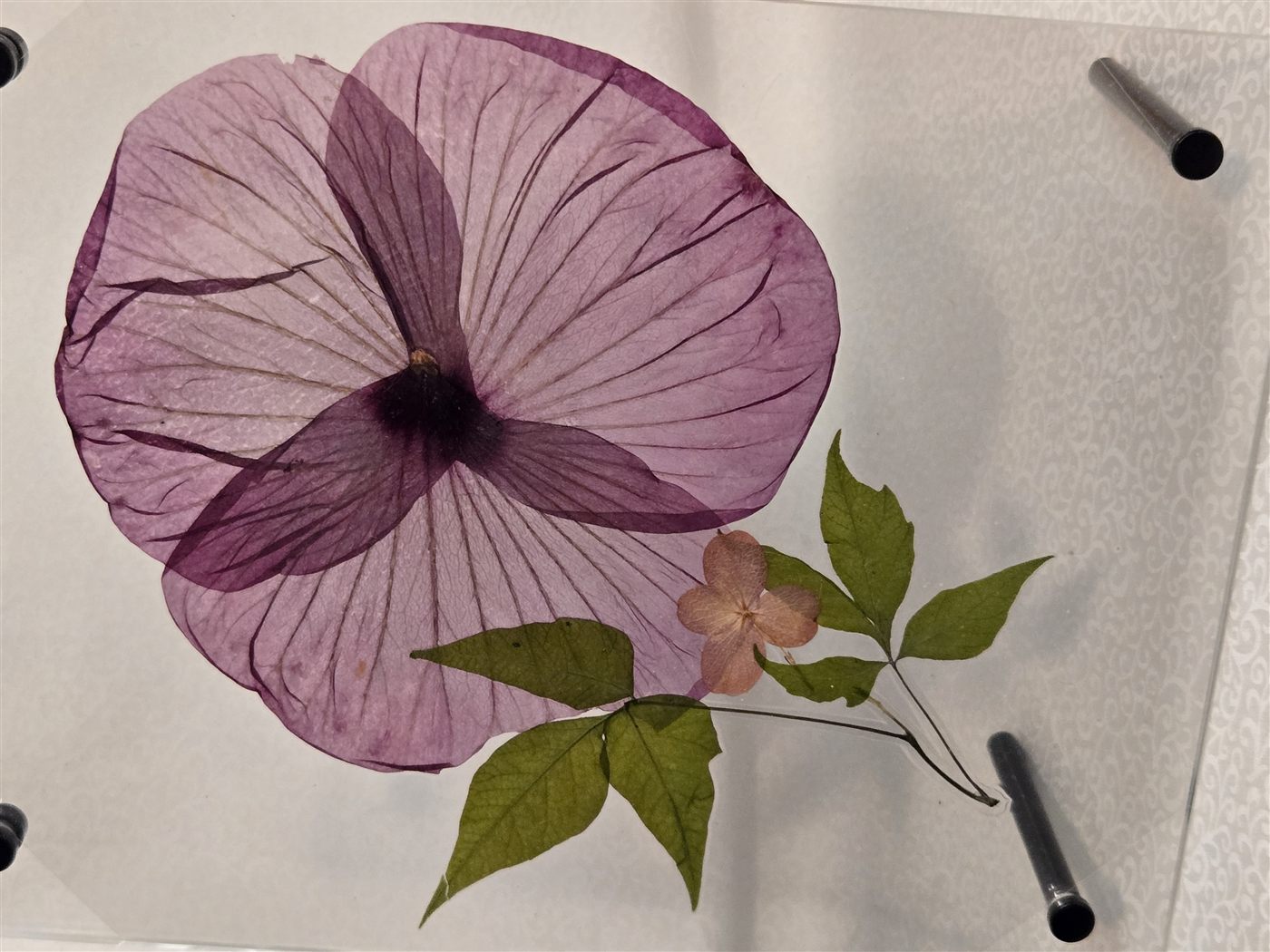 05
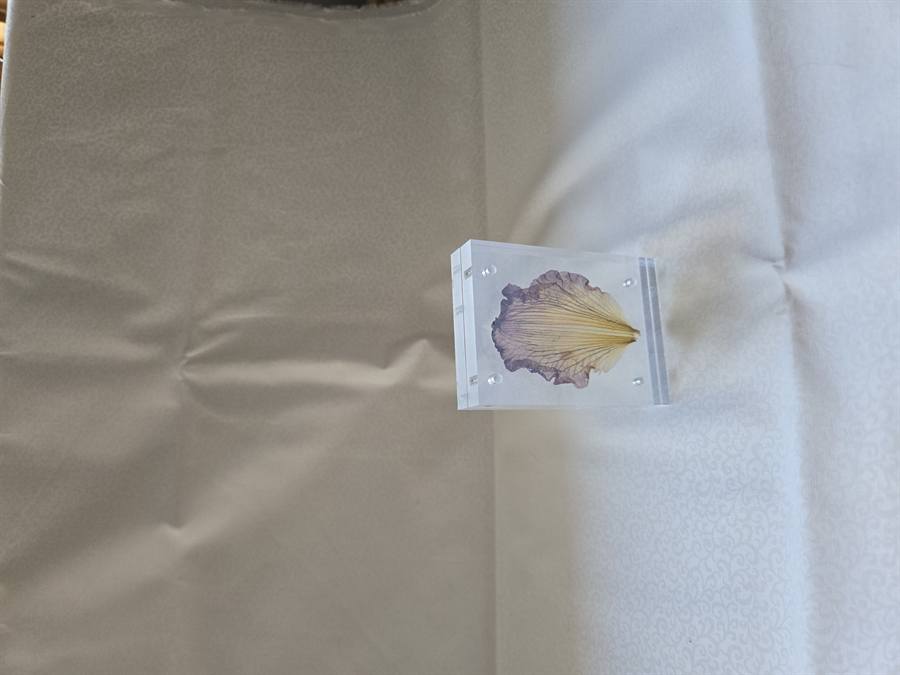
05Soft, papery petals press beautifully and add quiet floral shapes to a composition.
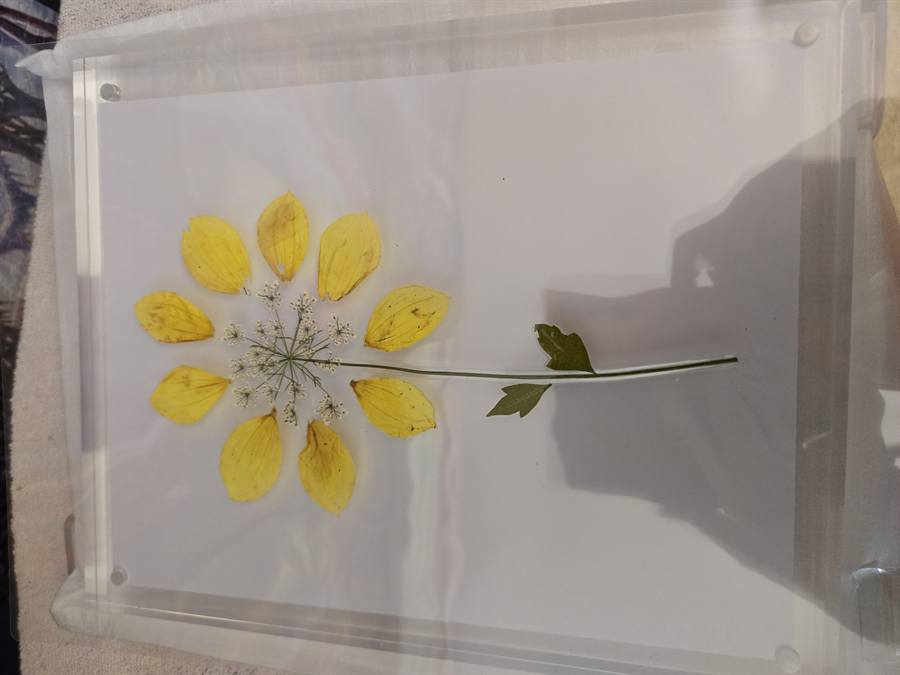
06Umbrella-like flower heads create delicate white constellations across a preserved piece.
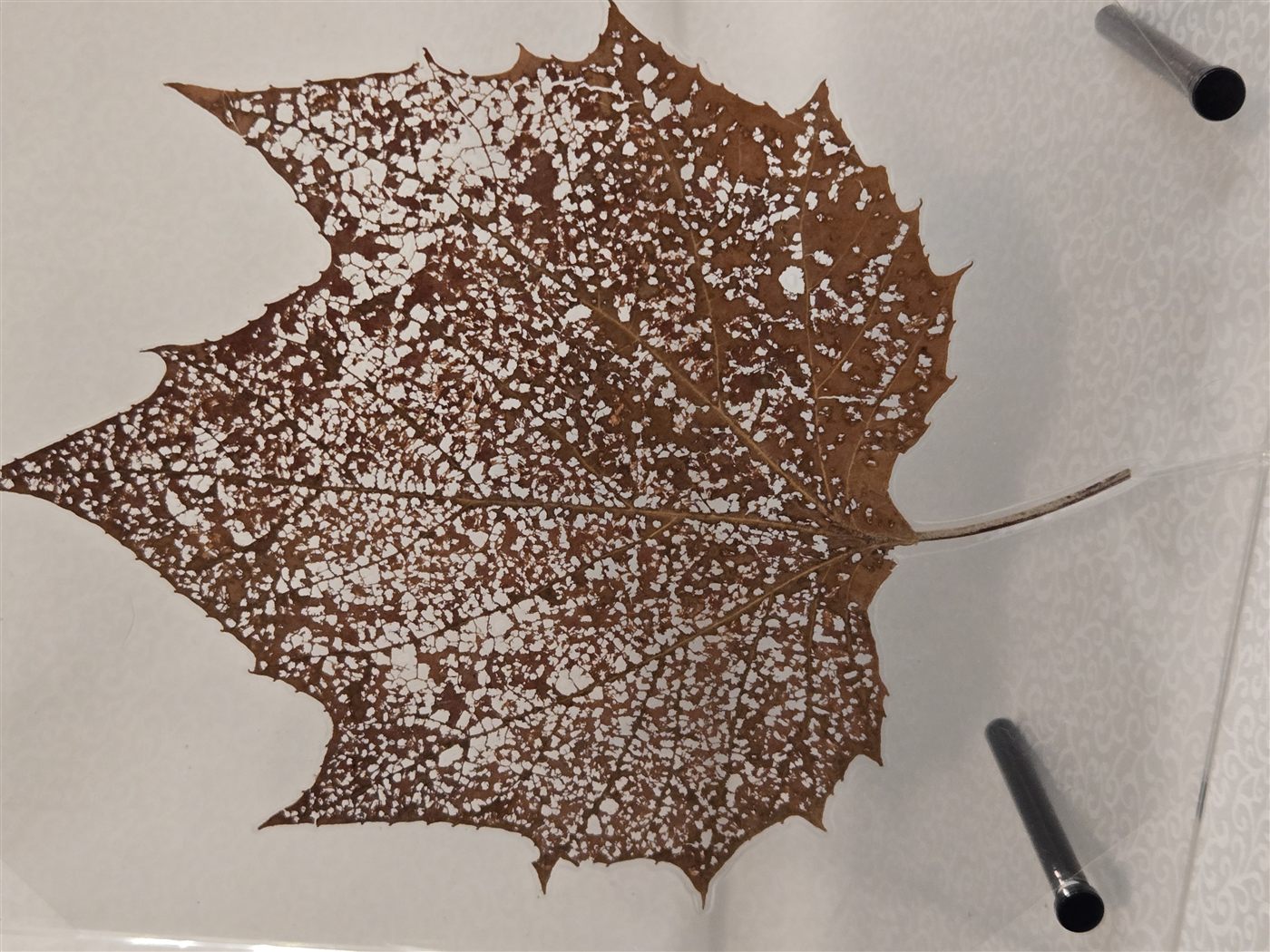 07
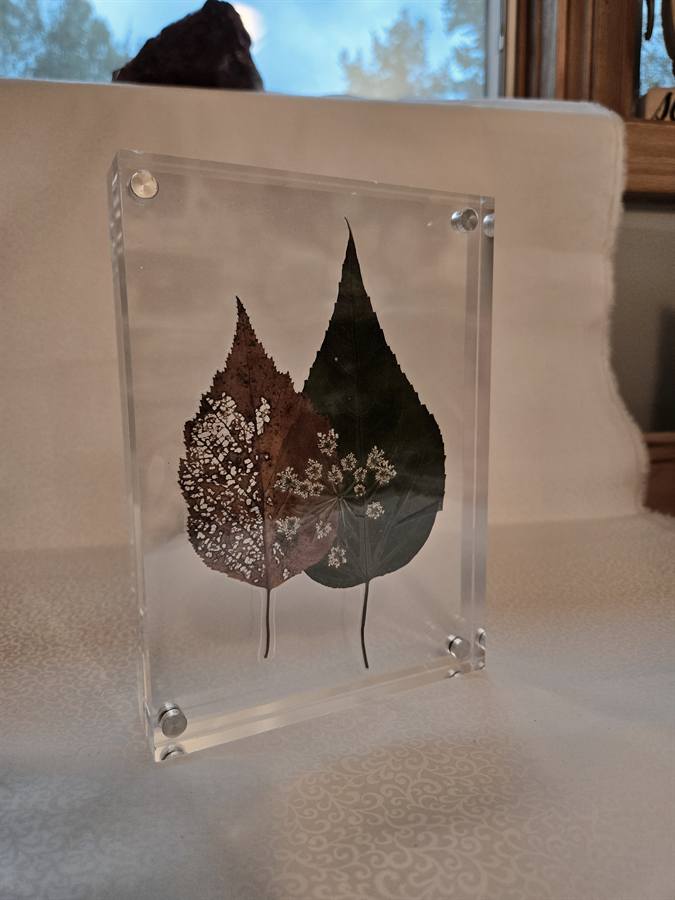
07Rounded or pointed lobes create a strong silhouette, especially in brown and copper tones.
08Simple oval to heart-shaped leaves with fine serrated edges and luminous golden fall color.
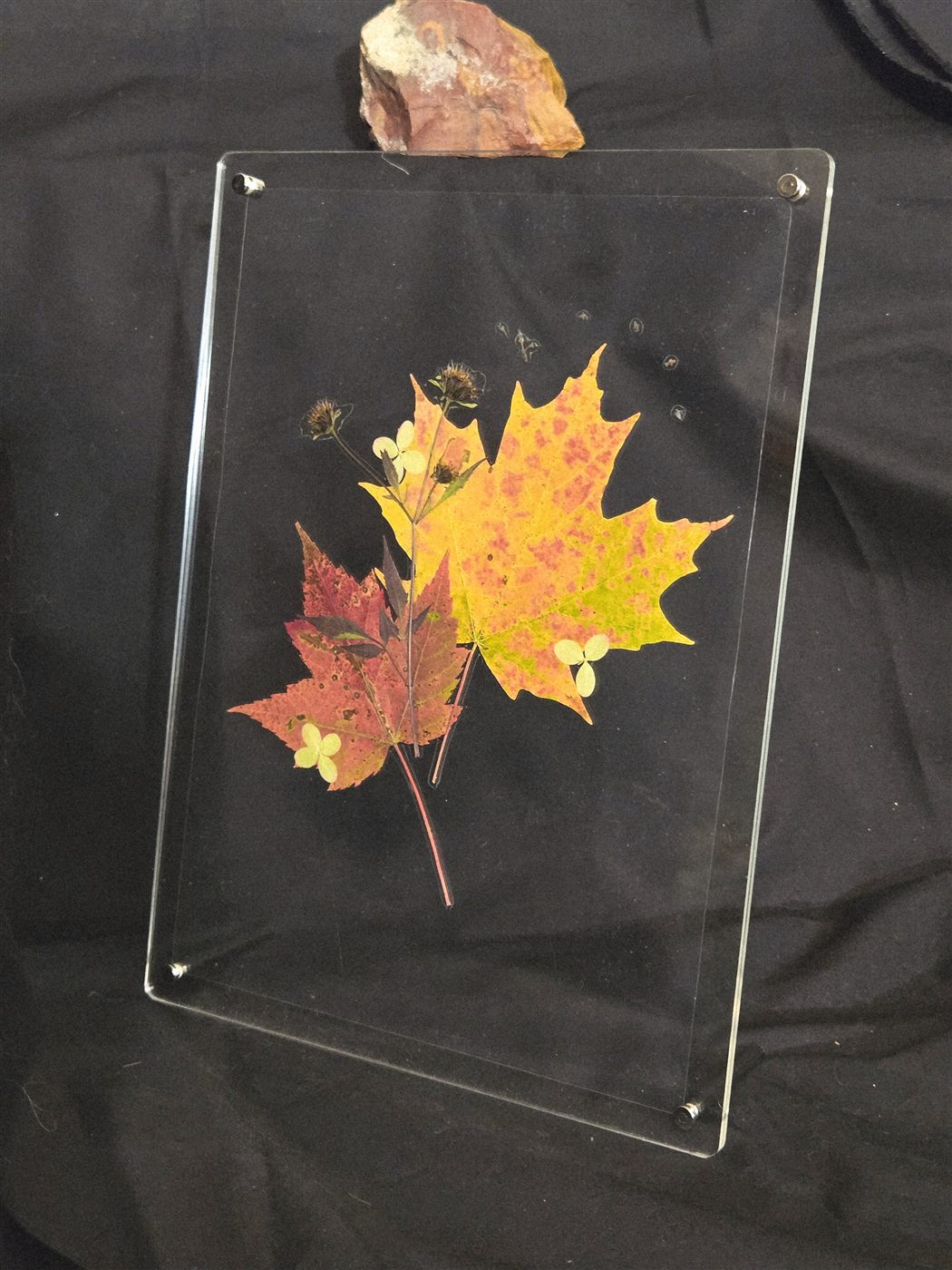 09
09Oval leaves with an uneven base and toothed edge add classic woodland texture.
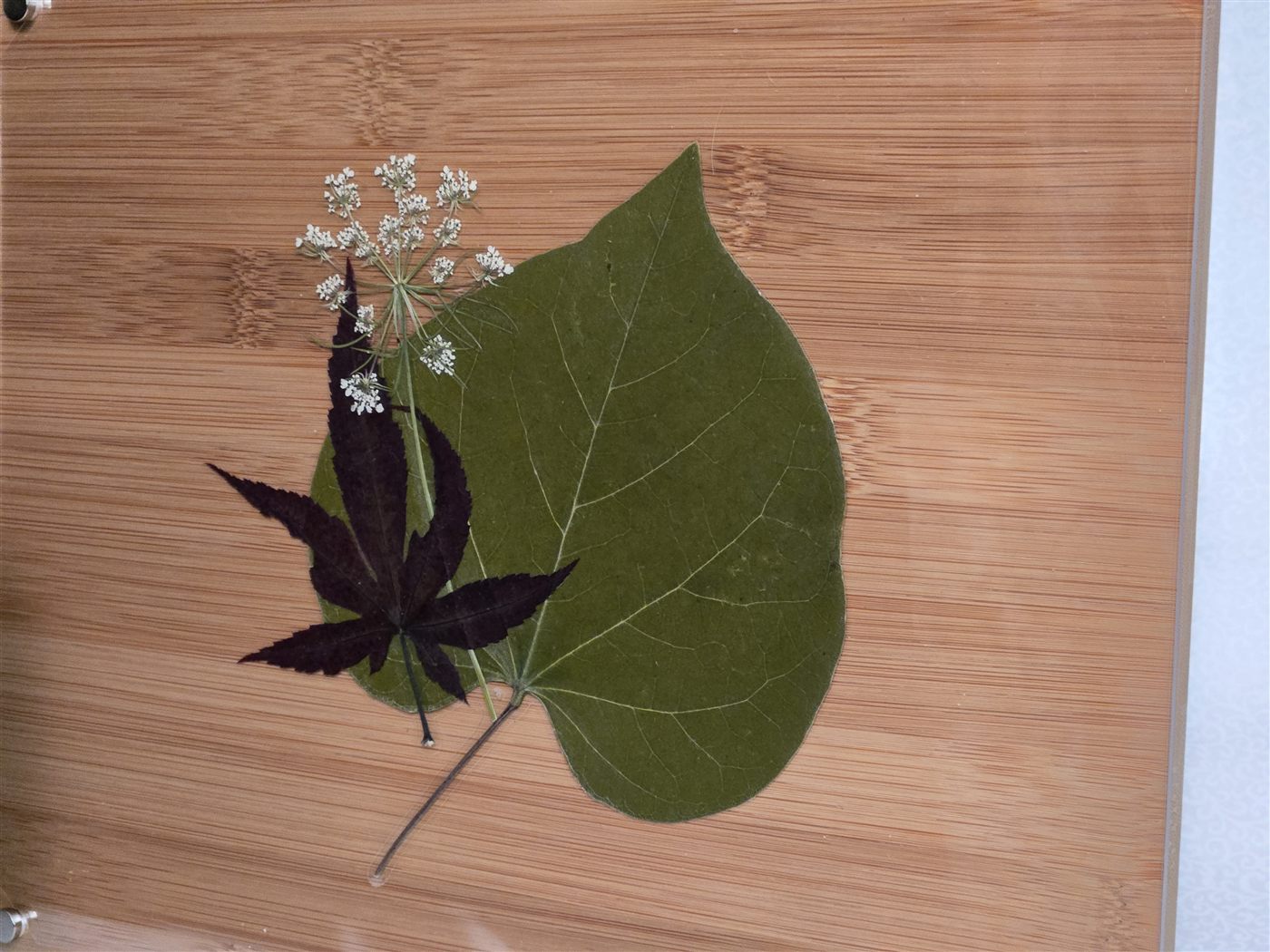 10
10Small flower heads and slim stems create movement, spacing, and tiny points of contrast.
 11
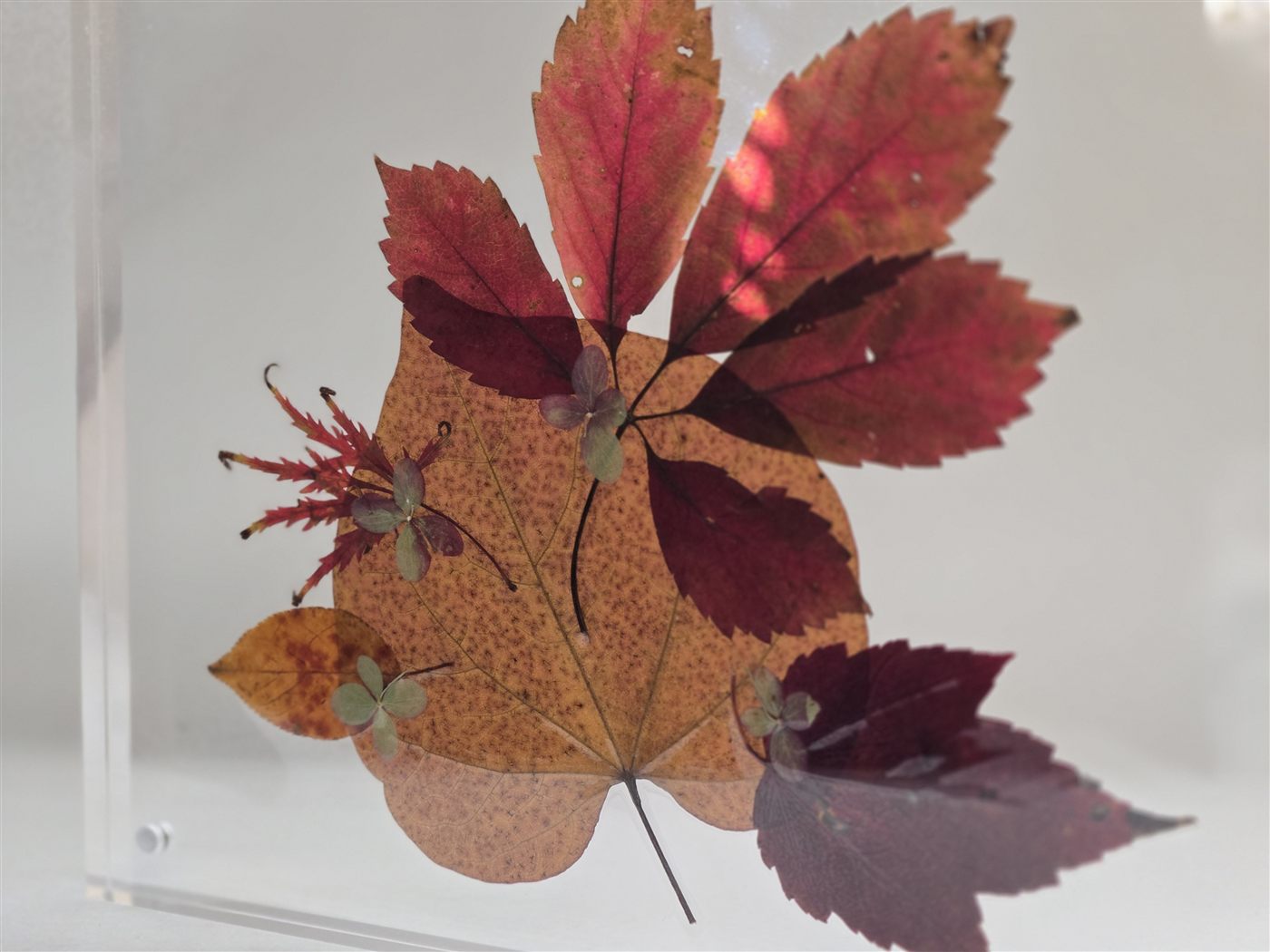
11Long compound leaflets often shift into orange, red, and burgundy tones in fall.
 12
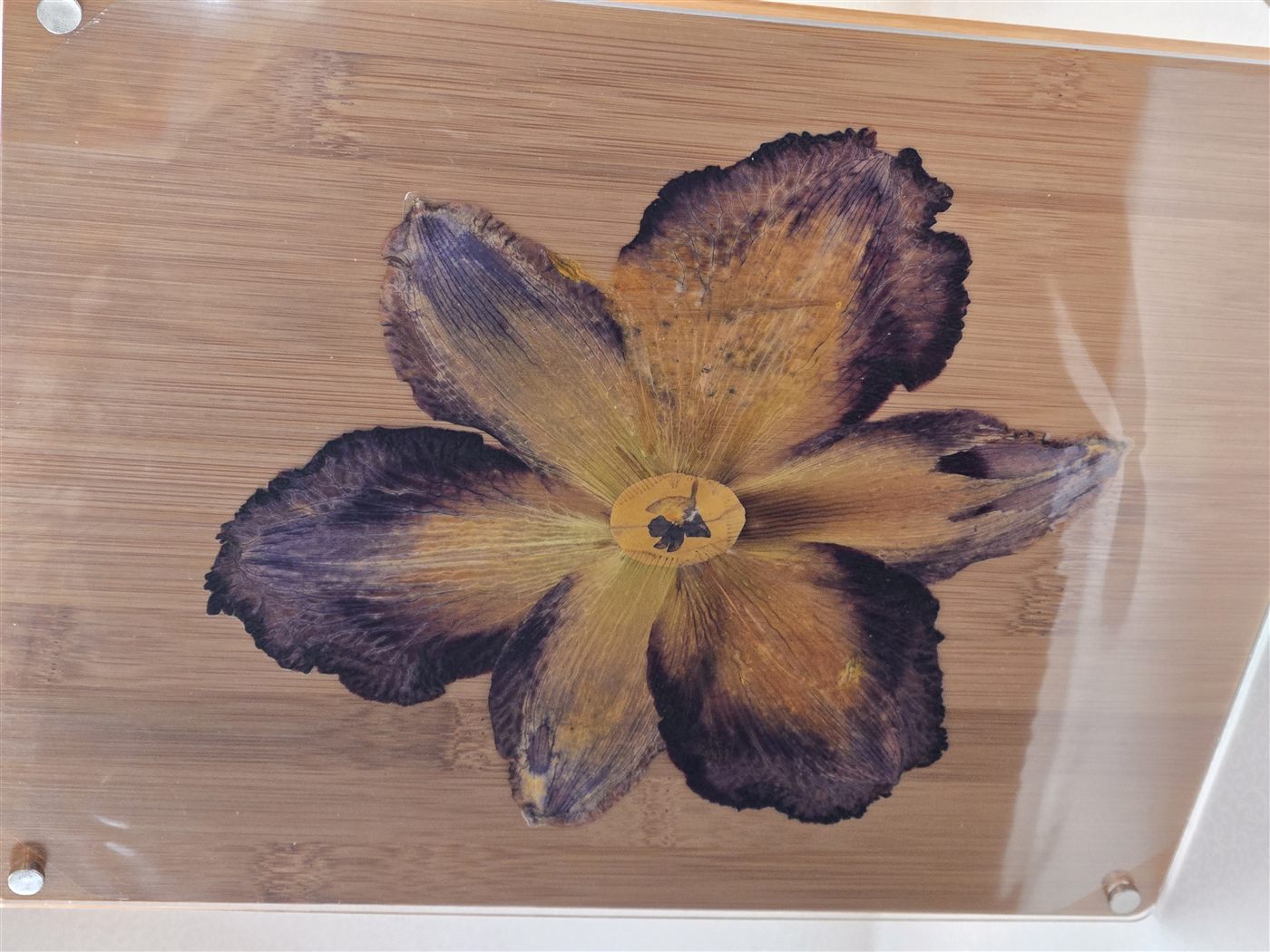
12Small leaves gathered from flowers, shrubs, and garden edges add scale and softness.
 13
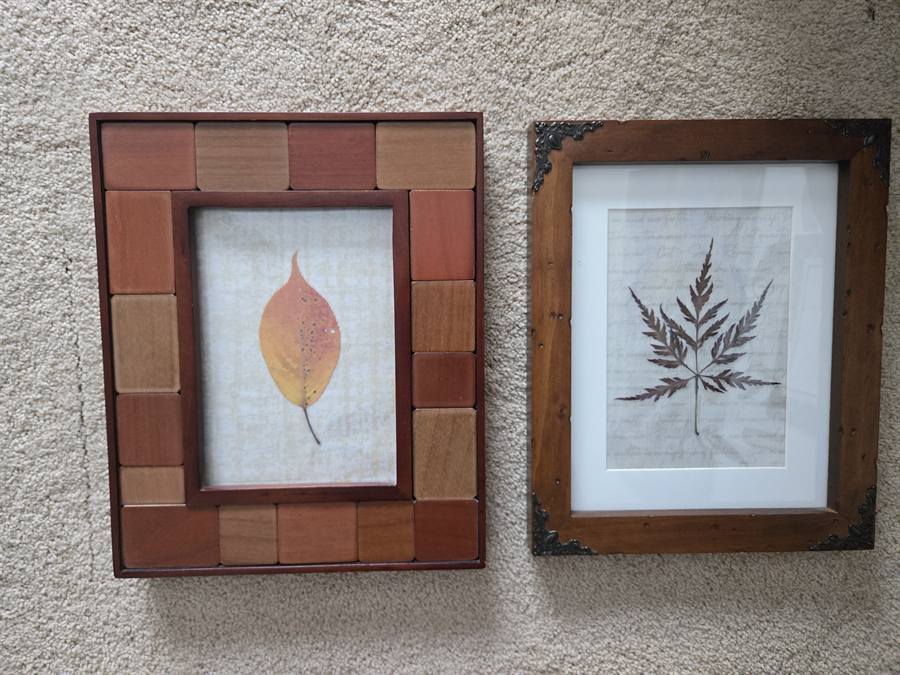
13Long compound leaves with tapered leaflets add a graceful, repeating rhythm.
 14
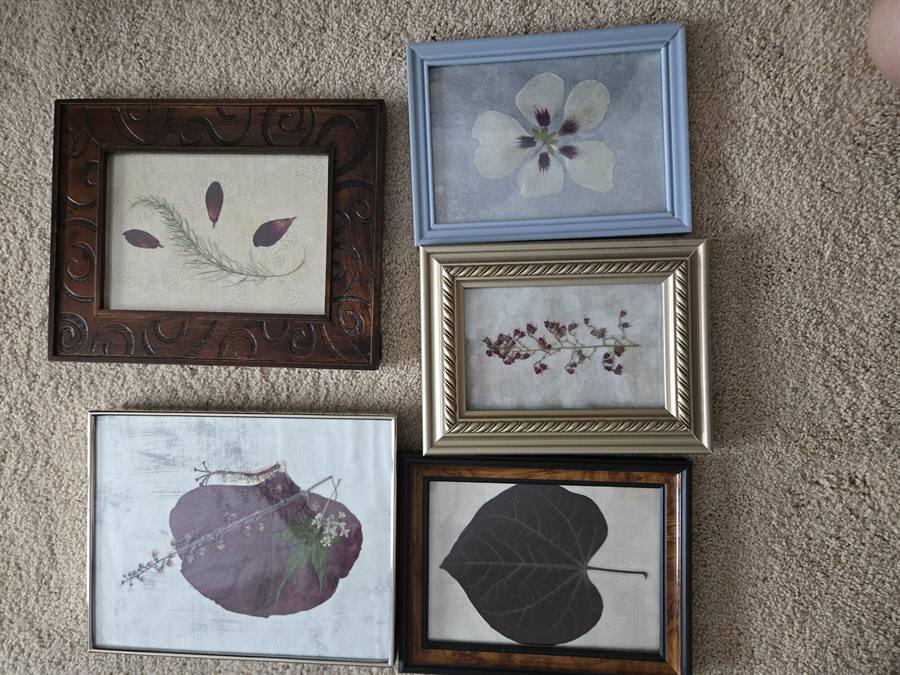
14Oval leaves with fine teeth and strong parallel veins often dry to tan, copper, or soft gold.
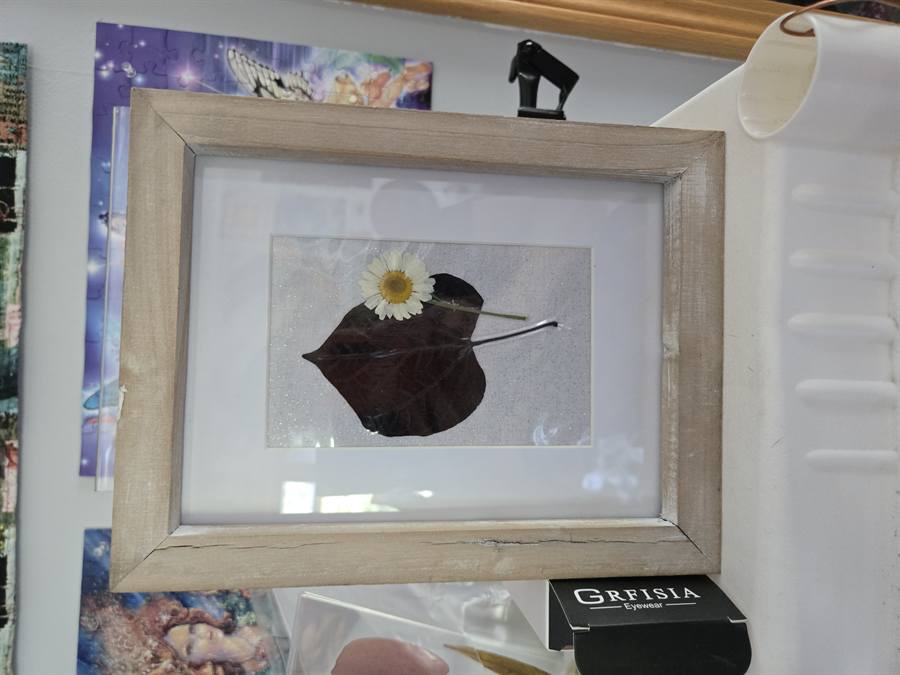 15
15Broad simple leaves with long stems and bright yellow fall color make bold background shapes.
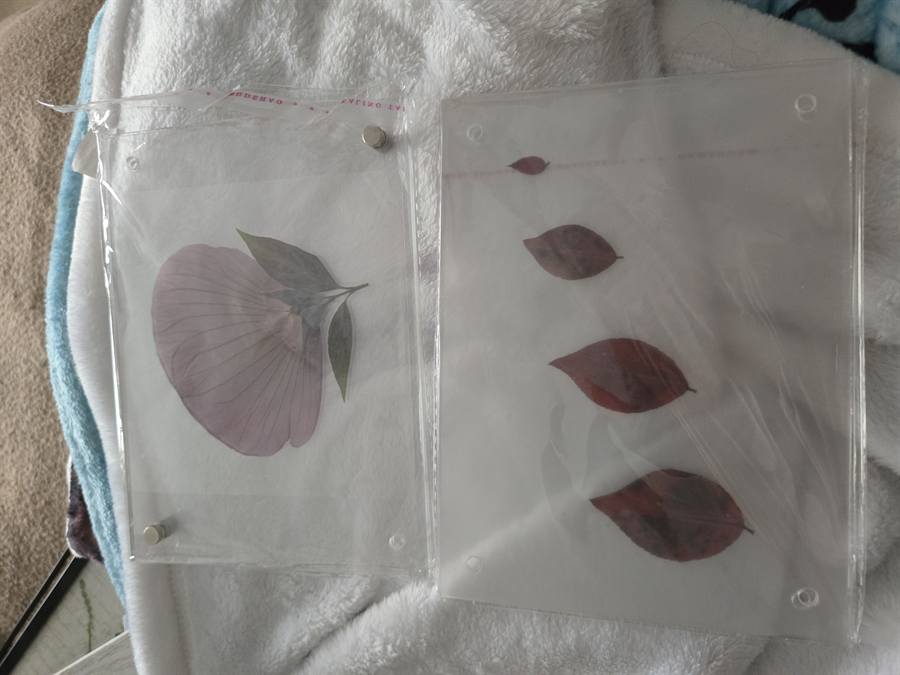 16
16Long narrow leaves create soft sweeping lines and give an arrangement a fluid feeling.
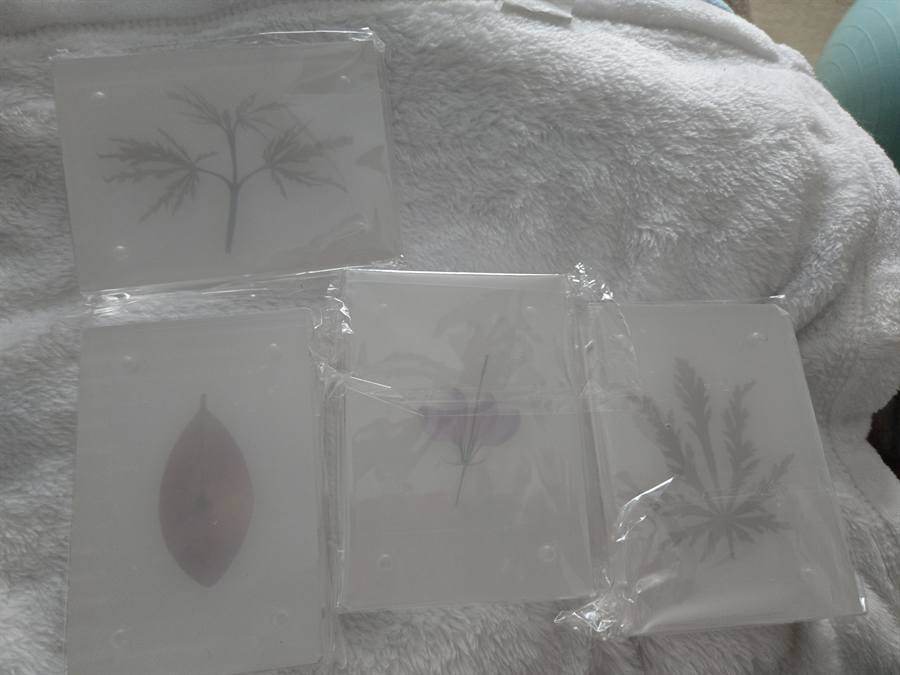 17
17Simple oval leaves with serrated edges and pointed tips can bring orange, red, or bronze color.
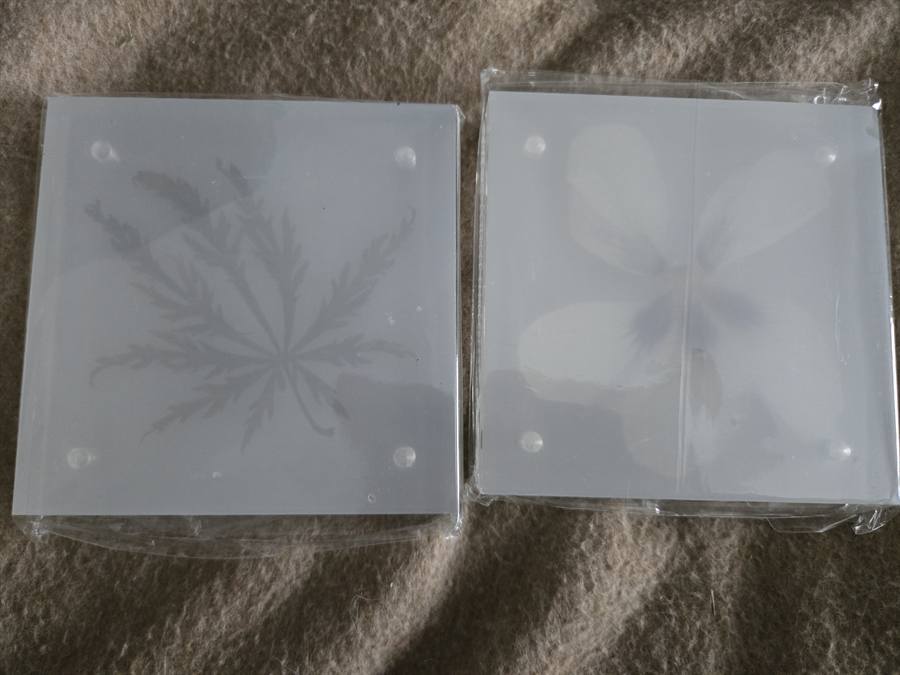 18
18Many tiny leaflets on airy stems provide delicate texture and light, lace-like layering.
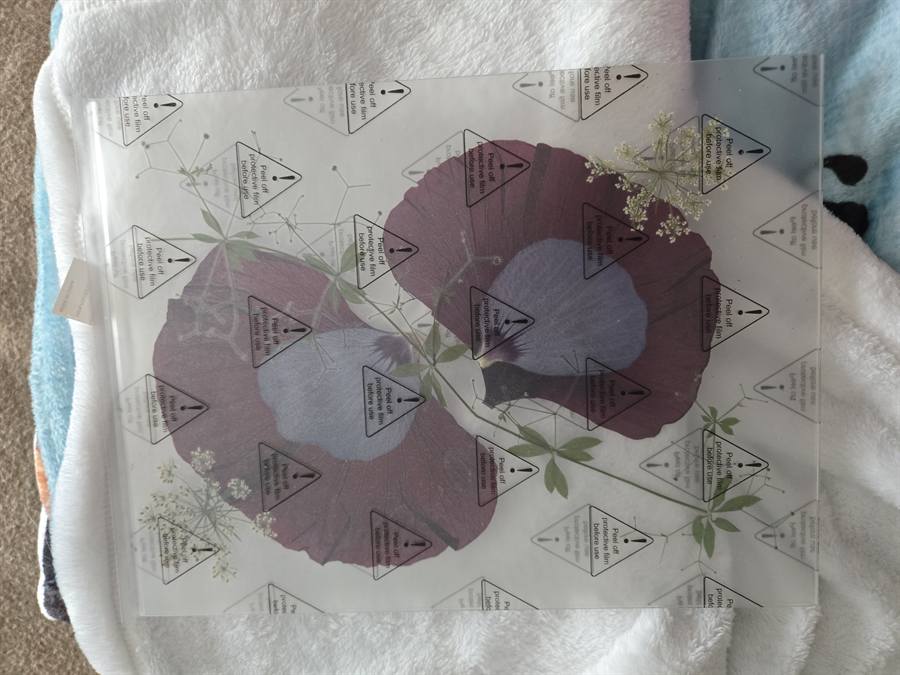 19
19Rounded three-part leaves add a familiar meadow shape and work beautifully in smaller keepsakes.
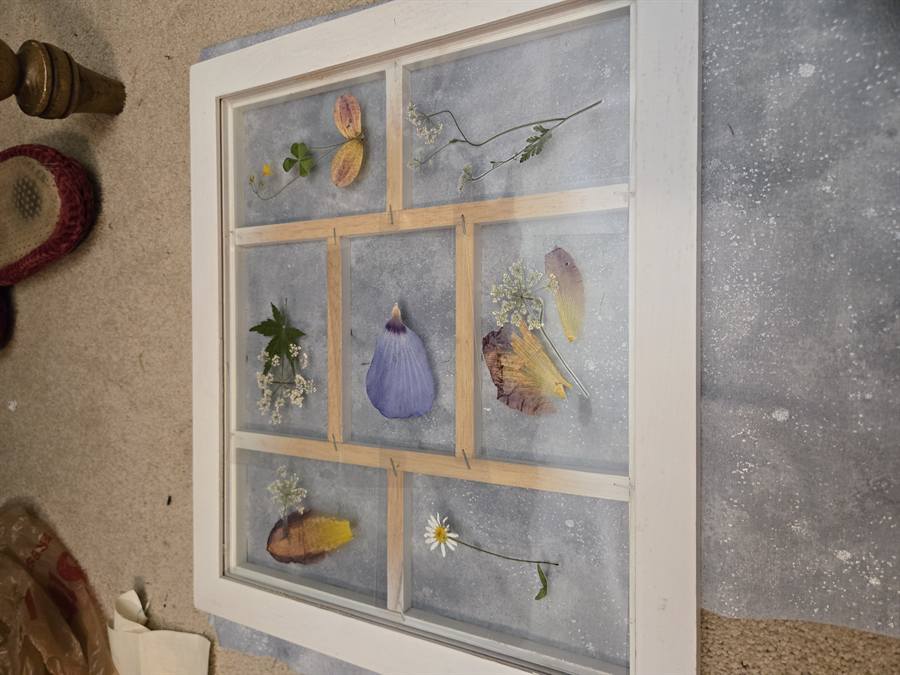 20
20Fine stems and seed clusters add height, spacing, and quiet vertical detail.
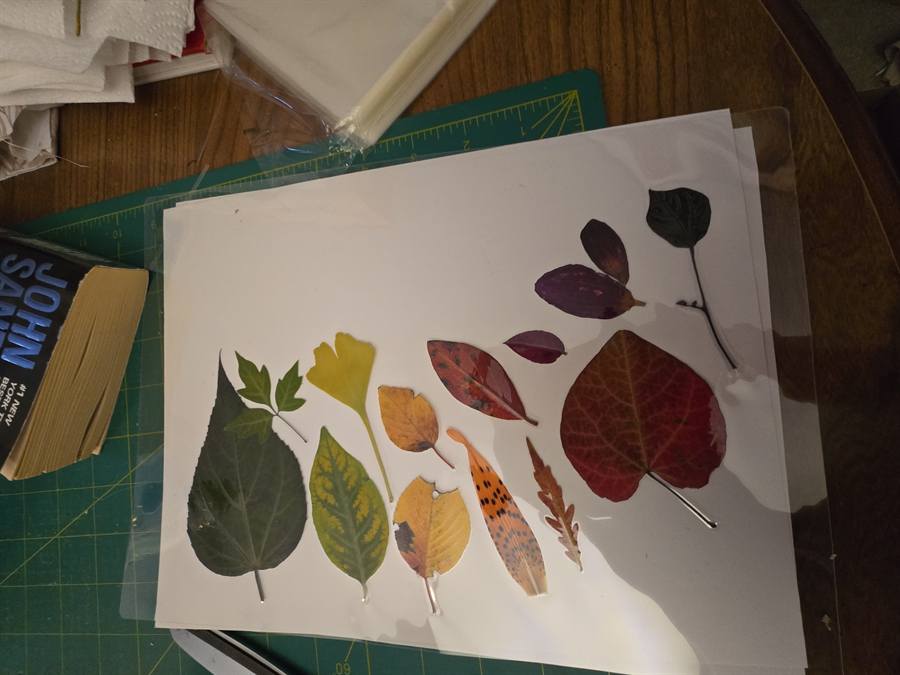 21
21Pressed flower heads flatten into star-like shapes that brighten a composition without overpowering it.
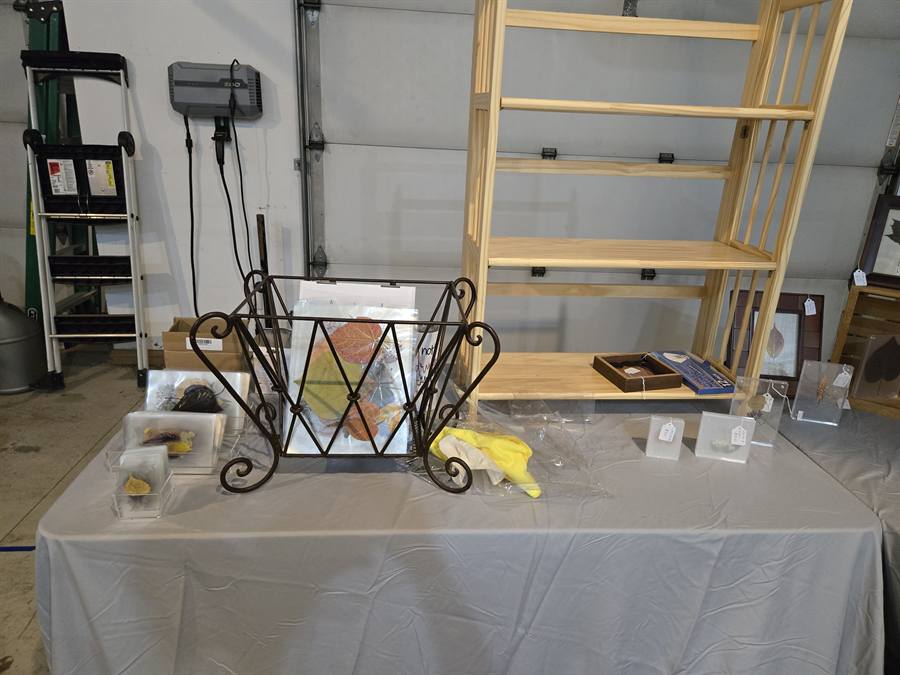 22
22Winged seed pairs, often called samaras, make recognizable seasonal accents beside maple leaves.
 23
23Large heart-shaped leaves with a slightly uneven base bring soft rounded mass to a design.
 24
24Five leaflets radiate from one point, often turning brilliant red with a star-like silhouette.
 25
25Simple heart-shaped leaves press into clean silhouettes that soften a composition.
 26
26Fan-shaped leaves with a distinctive notch feel graphic and modern when preserved.
 27
27Individual petals act like washes of color, softening edges and adding transparent layers.
 28
28Small stems, seed pods, and fragments fill space while keeping the finished work natural.
Care and display
Display botanical pieces away from direct long-term sunlight and heavy moisture. A shelf, desk, classroom display, gallery wall, or seasonal table is ideal.
Real plant material naturally carries small marks, gentle color shifts, and variations. Those details are part of the character of every one-of-a-kind piece.
Explore FLORIS →